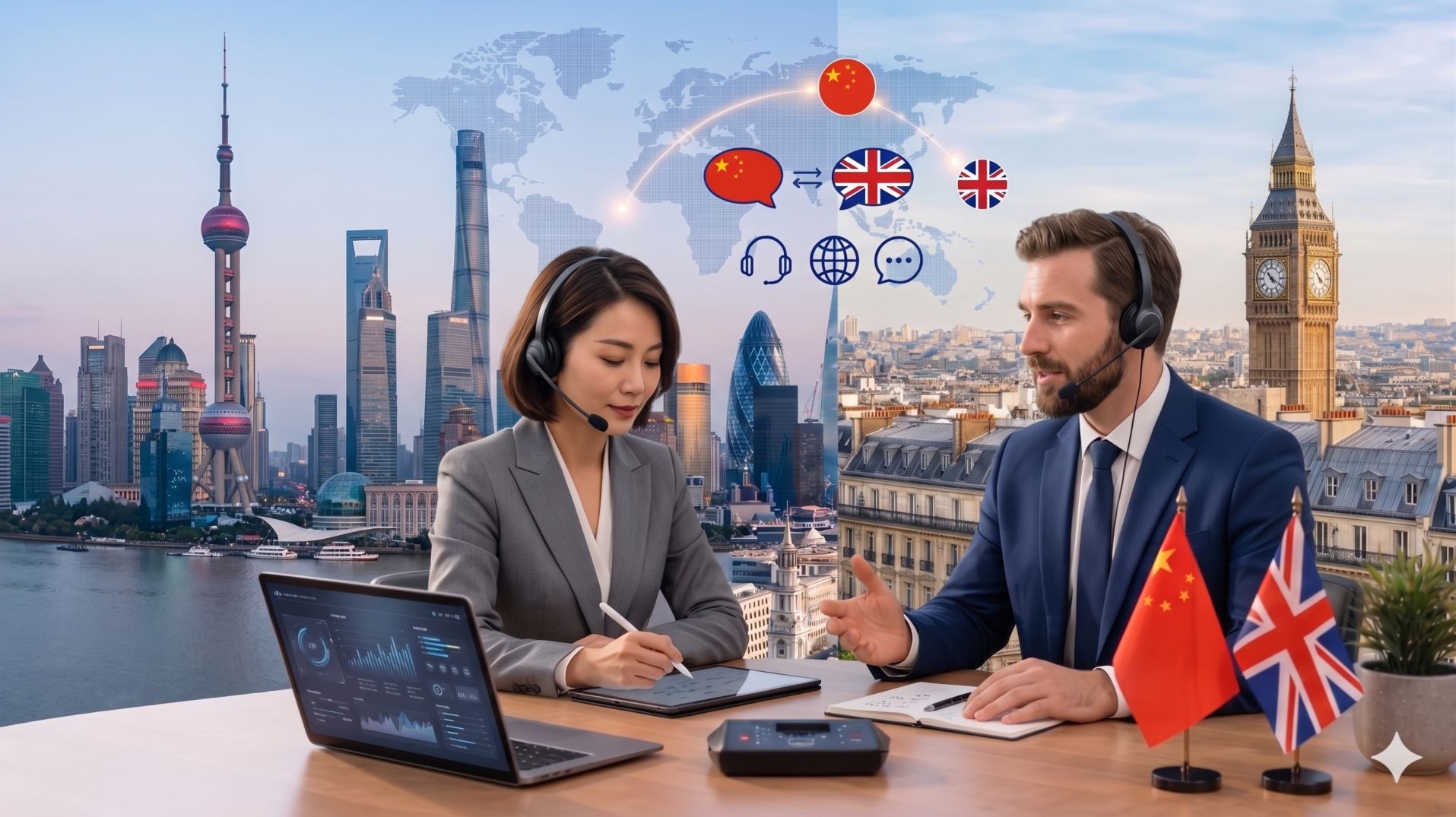
Securing a qualified Mandarin interpreter in Glasgow is paramount for effective communication across diverse professional sectors within the United Kingdom. Whether engaging with the intricacies of UK legal proceedings, ensuring patient safety within the National Health Service (NHS), or facilitating international business transactions, the need for precise and culturally nuanced interpretation is undeniable. Glasgow, a vibrant economic hub in Scotland, hosts a significant population and attracts international visitors and businesses, making access to professional Mandarin interpretation services essential. This is particularly crucial when dealing with public services such as healthcare, where clear communication can directly impact patient outcomes and adherence to UK medical standards. For instance, patients within the Glasgow Royal Infirmary, managed by NHS Greater Glasgow and Clyde, or those seeking services at the Queen Elizabeth University Hospital, also under NHS Greater Glasgow and Clyde, rely on accurate interpretation to understand diagnoses, treatment plans, and consent forms, aligning with the rigorous standards set by the Care Quality Commission (CQC) and NHS England’s Language Access guidelines.
Translation vs Interpretation
While often used interchangeably, translation and interpretation are distinct disciplines, each requiring specialised skills and qualifications. Interpretation involves the live, oral conversion of spoken or signed language from one language to another. This demands not only fluency in both Mandarin and English but also an acute understanding of cultural context, non-verbal cues, and the ability to think and respond in real-time. A professional Mandarin interpreter in Glasgow must be adept at handling high-pressure situations, such as legal hearings or critical medical consultations, ensuring that the original meaning and intent are conveyed accurately and without omission. This is a skill honed through rigorous training and adherence to professional standards, such as those set by the National Register of Public Service Interpreters (NRPSI) or the Diploma in Public Service Interpreting (DPSI). In contrast, translation focuses on the written word, converting documents, texts, and other written materials from one language to another. This process allows for more time for research, editing, and proofreading, ensuring accuracy and stylistic fidelity. For legal documents, medical records, or business contracts, a qualified Mandarin translator in Glasgow is essential to ensure that all written information is conveyed precisely, adhering to UK legal and professional standards. Both services are critical for bridging language barriers in the UK’s diverse professional landscape.
Legal Defence, Immigration, and Courtroom Interpretation
The UK’s legal system, governed by principles of natural justice and fairness, mandates that all individuals, regardless of their linguistic background, have access to justice. This is where the role of a highly skilled Mandarin interpreter becomes indispensable. In the context of UK courts, including those managed by His Majesty’s Courts and Tribunals Service (HMCTS), interpreters are crucial for ensuring that defendants, witnesses, and legal professionals can fully understand proceedings and communicate effectively. This applies to all levels of the UK judiciary, from local Magistrates’ Courts to the High Court and the Royal Courts of Justice. For individuals navigating the UK’s immigration system, the services of a Mandarin interpreter are vital. Applications to UK Visas and Immigration (UKVI), appeals lodged with the First-tier Immigration Tribunal, and asylum interviews all require precise communication. Misunderstandings can have severe consequences, impacting the outcome of applications and the lives of individuals. Professional interpreters, often accredited by bodies like the NRPSI or holding the DPSI qualification, provide the necessary linguistic bridge, ensuring that all parties understand the legal nuances and requirements. They must adhere strictly to a code of conduct, guaranteeing impartiality, confidentiality, and accuracy. This commitment to professional standards is a cornerstone of the UK’s commitment to a fair and accessible legal process, supported by organisations like the His Majesty’s Courts and Tribunals Service (HMCTS) and the Home Office.
Healthcare and NHS Patient Safety
Patient safety and effective healthcare delivery are paramount within the UK’s National Health Service (NHS). For Mandarin-speaking patients in Glasgow, accessing healthcare services without a qualified interpreter can lead to significant risks, including misdiagnosis, incorrect treatment, and a lack of informed consent. The NHS Greater Glasgow and Clyde, serving a large and diverse population, recognises the critical importance of language access. Professional Mandarin interpreters play a vital role in ensuring that patients can fully understand their medical conditions, treatment options, and the associated risks and benefits. This is not merely a matter of convenience but a fundamental aspect of patient rights and clinical governance, as mandated by the Care Quality Commission (CQC) and NHS England’s Language Access guidelines. Interpreters facilitate clear communication between patients and clinicians, enabling shared decision-making and improving adherence to treatment plans. Furthermore, adherence to the UK General Data Protection Regulation (UK GDPR) ensures that all patient information, including sensitive details discussed during consultations, is handled with the utmost confidentiality, a principle that professional interpreters are bound to uphold. The availability of accredited interpreters ensures that the NHS can provide equitable care to all its patients, regardless of their primary language, upholding the core values of the NHS and ensuring compliance with UK healthcare regulations. This commitment extends to all healthcare settings, from GP practices to specialist hospital departments, ensuring that every patient’s voice is heard and understood.
Technical Interpretation Modalities
Effective communication in professional settings often requires the deployment of specific interpretation modalities tailored to the situation. For a Mandarin interpreter in Glasgow, understanding and mastering these techniques is crucial. Consecutive interpretation is commonly used in one-on-one meetings, doctor’s appointments, or small group discussions. The interpreter listens to a segment of speech, then renders it into the target language while the speaker pauses. This allows for a natural flow of conversation but can extend the duration of the interaction. Simultaneous interpretation is employed in larger settings such as conferences, international meetings, or court hearings where time is of the essence. The interpreter listens to the speaker through a headset and renders the speech into the target language with minimal delay, often within seconds, using specialised booths and equipment. This requires intense concentration and rapid cognitive processing. Escort interpretation, also known as liaison interpretation, facilitates communication between parties speaking different languages in social or business settings, such as factory visits, site inspections, or informal meetings. The interpreter acts as a cultural and linguistic bridge, ensuring smooth interactions. Finally, remote interpretation, facilitated by advancements in technology, allows interpreters to provide services via telephone (Video Remote Interpreting – VRI) or video conferencing platforms. This modality offers flexibility and cost-effectiveness, particularly for situations where on-site presence is not feasible or necessary, while still adhering to professional standards and confidentiality requirements.
Economic and Social Fabric of Glasgow
Glasgow’s dynamic economic landscape and rich social tapestry necessitate robust linguistic support. The city’s status as a major commercial, financial, and cultural centre in the UK means it attracts significant international engagement, from global corporations to independent businesses and a diverse resident population. Professional Mandarin interpretation and translation services are integral to fostering these connections and ensuring smooth operations across various sectors.
Corporate and Industry Engagement
Glasgow boasts a thriving business environment with strengths in sectors such as financial services, life sciences, advanced manufacturing, and creative industries. For UK-based companies looking to expand into Mandarin-speaking markets, or for Chinese businesses investing in or operating within Glasgow, clear communication is vital. This includes facilitating negotiations, translating technical documentation, supporting marketing efforts, and ensuring compliance with UK business regulations. Professional Mandarin interpreters and translators are key to building trust and fostering successful partnerships, ensuring that all parties understand contractual obligations, technical specifications, and strategic objectives. The Glasgow Chamber of Commerce often supports businesses in navigating international trade, highlighting the demand for such linguistic expertise.
Tourism and Hospitality
As a major tourist destination, Glasgow welcomes visitors from across the globe. Mandarin-speaking tourists represent a significant and growing market. The tourism and hospitality sector, including hotels, restaurants, museums, and cultural attractions, benefits immensely from the availability of Mandarin interpretation and translation services. This can range from translated visitor information and menus to on-site interpretation for guided tours or customer service interactions. Enhancing the visitor experience for Mandarin speakers not only boosts the local economy but also reinforces Glasgow’s reputation as a welcoming and accessible city on the international stage. The Glasgow Convention Bureau actively promotes the city as a destination, underscoring the need for multilingual support.
Legal Infrastructure
Glasgow’s robust legal sector, serving both Scotland and the wider UK, requires specialised linguistic support. Law firms advising on international cases, handling cross-border disputes, or assisting clients with immigration matters frequently require Mandarin interpreters. The presence of courts and tribunals under HMCTS, as well as various legal aid services, means that access to qualified interpreters is essential for ensuring due process and upholding the principles of justice for Mandarin-speaking individuals involved in legal proceedings. The Law Society of Scotland represents legal professionals, and their members often encounter the need for expert linguistic services.
NHS Healthcare Services
The National Health Service (NHS) in Glasgow, primarily delivered by NHS Greater Glasgow and Clyde, serves a diverse population. Ensuring equitable access to healthcare for Mandarin speakers is a critical public service responsibility. Professional Mandarin interpreters are indispensable in hospitals, GP surgeries, and community health centres, facilitating consultations, explaining diagnoses, and ensuring informed consent. This commitment to effective communication directly impacts patient safety and outcomes, aligning with the CQC’s standards for quality and safety in healthcare provision. The NHS Greater Glasgow and Clyde is a key provider of these essential services.
Local Infrastructure and Transport
Glasgow’s well-developed infrastructure supports its role as a major UK city. The city is served by excellent transport links, including Glasgow Airport, a major international gateway, and extensive rail and road networks connecting it to the rest of Scotland and the UK. For business travellers and international visitors requiring Mandarin interpretation services, seamless transitions through airports, train stations, and hotels are crucial. Professional interpreters can assist with navigating transport systems, understanding travel information, and ensuring smooth logistics. This includes facilitating communication with transport providers, hotel staff, and other service personnel. The Glasgow City Council oversees many aspects of the city’s infrastructure and public services, ensuring that the city remains accessible and functional for all its residents and visitors.
In conclusion, the demand for a professional Mandarin interpreter in Glasgow is driven by the city’s vibrant economic activity, its role as a key UK legal and healthcare centre, and its position as an international destination. Ensuring access to qualified, accredited interpreters is not merely a matter of language proficiency but a fundamental requirement for upholding justice, ensuring patient safety, fostering international business, and promoting social inclusion within the United Kingdom. Engaging with certified professionals guarantees accuracy, confidentiality, and cultural understanding, essential for navigating the complexities of UK professional services. If your organisation requires expert Mandarin interpretation services in Glasgow, partnering with accredited professionals ensures seamless communication and successful outcomes.