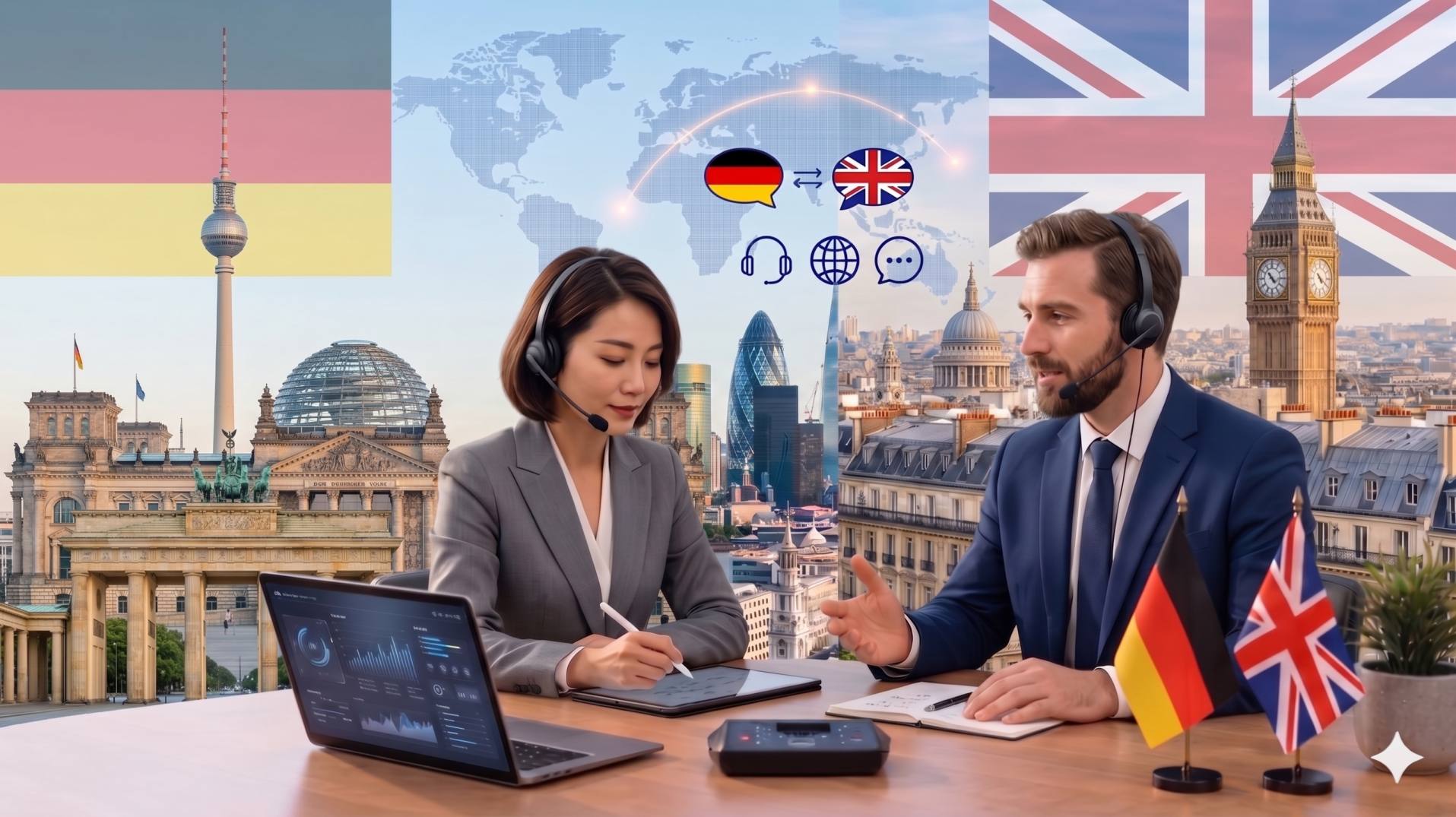
Securing a qualified Danish interpreter in Reading is paramount for effective communication across vital sectors within the UK’s professional landscape. Whether engaging with legal proceedings, navigating complex healthcare scenarios, or facilitating international business, the need for precise and culturally attuned linguistic support cannot be overstated. In Reading, a dynamic hub within the Thames Valley, the demand for specialised interpretation services is met by professionals adhering to stringent UK standards. This ensures that individuals and organisations can confidently bridge language barriers, fostering trust and achieving optimal outcomes. For healthcare, this means seamless communication with patients, with key NHS trusts serving Reading including Royal Berkshire NHS Foundation Trust and Oxford University Hospitals NHS Foundation Trust (which serves a wider region including parts of Berkshire), ensuring adherence to the NHS England Language Access guidelines and safeguarding patient safety under UK GDPR regulations.
Translation vs Interpretation
While often used interchangeably, translation and interpretation are distinct linguistic disciplines, each requiring specialised skills and adhering to different professional bodies within the UK. Interpretation involves the real-time, oral conversion of spoken or signed language from one tongue to another. This is crucial in live environments such as courtrooms, medical consultations, or business meetings. A professional Danish interpreter in Reading must possess not only fluency in both Danish and English but also a deep understanding of the cultural nuances and idiomatic expressions of both languages. They must also be adept at maintaining neutrality and confidentiality, often adhering to codes of conduct set by organisations like the National Register of Public Service Interpreters (NRPSI) or the Chartered Institute of Linguists (CIOL). Conversely, translation deals with the written word, converting text from one language to another. This can apply to legal documents, technical manuals, marketing materials, or websites. A Danish translator in Reading would focus on producing accurate and contextually appropriate written renditions, often requiring specialised knowledge in fields like law, medicine, or engineering. Both professions are vital for the UK’s diverse economy and public services, ensuring clarity and accessibility for all.
Legal Defence, Immigration, and Courtroom Interpretation
The UK legal system, governed by principles of justice and fairness, mandates that all parties have access to adequate representation and understanding, regardless of their linguistic background. For Danish speakers involved in legal matters in Reading, access to a qualified Danish interpreter is not merely a convenience but a fundamental right. This is particularly critical in proceedings before His Majesty’s Courts and Tribunals Service (HMCTS), which oversees a vast array of judicial functions across England and Wales. Whether in civil disputes, criminal trials, or family court hearings, the interpreter’s role is to ensure that evidence is presented accurately, witness testimonies are understood verbatim, and legal advice is conveyed without distortion. Professional interpreters working within the legal sphere are often required to hold qualifications recognised by bodies such as the NRPSI or have passed rigorous vetting processes, including enhanced Disclosure and Barring Service (DBS) checks. This ensures their impartiality and competence. Furthermore, in immigration matters, which fall under the purview of the Home Office and are adjudicated by tribunals like the First-tier Immigration Tribunal, precise interpretation is essential for asylum claims, visa applications, and deportation hearings. A failure to provide adequate interpretation can lead to miscarriages of justice, underscoring the importance of engaging accredited professionals who understand the specific terminology and procedures of UK law. The Ministry of Justice sets standards for court interpretation, reinforcing the need for accuracy and professionalism.
Healthcare and NHS Patient Safety
Patient safety and effective communication are cornerstones of the UK’s National Health Service (NHS). For Danish-speaking patients in Reading, accessing healthcare services requires interpreters who can facilitate clear and accurate communication with medical professionals. This is vital for accurate diagnosis, informed consent, and adherence to treatment plans, all of which are critical under the Care Quality Commission (CQC)‘s standards for safe and effective care. Interpreters working within the NHS must not only be linguistically proficient but also understand medical terminology and the sensitive nature of healthcare interactions. They are bound by strict confidentiality agreements, aligning with UK GDPR principles and NHS confidentiality policies. The NHS England Language Access guidelines provide a framework for ensuring equitable access to healthcare for all patients, irrespective of their language. In Reading, this translates to ensuring that Danish patients can fully participate in their care, understand treatment options, and express their concerns without linguistic barriers. This is particularly important for managing chronic conditions, discussing complex surgical procedures, or during emergency situations. The Royal Berkshire NHS Foundation Trust and other local providers are committed to upholding these standards, recognising that effective communication is integral to delivering high-quality patient care and preventing medical errors. Professional bodies like the NRPSI and the CIOL also offer pathways for interpreters to gain qualifications recognised within the healthcare sector, ensuring a high standard of service.
Technical Interpretation Modalities
The effectiveness of interpretation services hinges on selecting the appropriate modality for the specific context. For a Danish interpreter in Reading, understanding these modalities is crucial for delivering optimal results. Simultaneous interpretation is perhaps the most demanding, requiring the interpreter to speak the target language almost concurrently with the source speaker, often using specialised equipment like booths and headsets. This is common in large conferences, international meetings, or parliamentary sessions where time is of the essence. Consecutive interpretation involves the interpreter listening to a segment of speech, then rendering it into the target language once the speaker pauses. This is suitable for smaller meetings, negotiations, or one-on-one discussions where direct interaction is key. Escort interpretation, also known as liaison interpretation, facilitates communication between two or more parties speaking different languages in informal settings, such as business meetings, factory tours, or site visits. The interpreter acts as a bridge, ensuring smooth dialogue. In the modern era, remote interpretation has gained significant traction. This can encompass various forms, including telephone interpreting (voice calls) and video remote interpreting (VRI), which uses video conferencing platforms. Remote services offer flexibility and cost-effectiveness, especially for situations where an on-site interpreter is not feasible or necessary, and are increasingly being adopted by UK businesses and public services. Regardless of the modality, the core requirement remains the same: a highly skilled and professional interpreter who can accurately convey meaning and intent.
Economic and Social Fabric of Reading
Reading’s position as a significant economic and cultural centre in the Thames Valley directly influences the demand for specialised linguistic services, including Danish interpretation and translation. The city’s diverse economy and its role as a hub for international business necessitate robust communication channels. A professional Danish interpreter in Reading plays a vital role in supporting this ecosystem.
Corporate and Industry
Reading boasts a thriving corporate sector, with numerous multinational companies in technology, finance, and professional services establishing a presence. This includes major players in sectors like pharmaceuticals, software development, and digital media. For these organisations, engaging with Danish partners, clients, or employees requires seamless communication. Whether for board meetings, product launches, technical training, or contract negotiations, accurate interpretation ensures that business objectives are met without misunderstanding. The Reading Borough Council actively supports business growth, and access to professional interpreters facilitates international trade and investment, contributing to the local economy. Professional standards set by bodies like the International Association of Conference Interpreters (AIIC), though international, are reflected in the practices of UK-based professionals.
Tourism
While not a primary tourist destination in the same vein as London, Reading attracts visitors for its historical sites, cultural events, and its role as a gateway to the wider Thames Valley region. International visitors, including those from Denmark, benefit from accessible information and services. Local businesses, hotels, and attractions can enhance their visitor experience by providing multilingual support, including Danish language services, thereby fostering a more welcoming environment and encouraging repeat visits. Accurate translation of marketing materials and websites also plays a role in attracting international tourism.
Legal Infrastructure
Reading possesses a well-established legal infrastructure, with numerous law firms serving both local and national clients. These firms frequently handle cross-border cases, commercial disputes, and matters involving international individuals or entities. For Danish clients or legal professionals, the availability of qualified Danish interpreters is essential for consultations, depositions, and court appearances within the HMCTS framework. The presence of accredited interpreters supports the city’s reputation as a centre for legal excellence, ensuring access to justice for all.
NHS Healthcare
As previously highlighted, the healthcare sector in and around Reading relies heavily on effective communication. The Royal Berkshire NHS Foundation Trust and other healthcare providers are committed to serving a diverse population. Danish patients requiring medical attention can access services with the assurance that qualified interpreters can be provided, ensuring that their healthcare needs are met safely and effectively, in line with CQC regulations and NHS England standards. This commitment extends to primary care services and mental health support, where clear communication is paramount.
Local Infrastructure and Transport
Reading’s strategic location and excellent transport links are fundamental to its economic vitality and accessibility. As a major railway hub, it connects directly to London Paddington, making it an attractive location for businesses and commuters alike. The M4 motorway provides swift access to London and the West Country, further enhancing its connectivity. For international visitors and businesses, this robust infrastructure, including proximity to Heathrow Airport, simplifies travel and logistics. The availability of Danish interpretation services within this well-connected environment ensures that international engagement is facilitated smoothly, whether for business travel, relocation, or participation in conferences and events hosted in the region. The Reading Borough Council continues to invest in local transport infrastructure, further solidifying the city’s position as a key economic centre in the UK.
Conclusion
In conclusion, the need for professional linguistic services, particularly a skilled Danish interpreter in Reading, is integral to the functioning of the city’s diverse professional sectors. From the critical demands of the UK legal system and the life-saving necessity of clear communication within the NHS, to the nuanced requirements of international business, accuracy and cultural understanding are non-negotiable. Engaging certified interpreters who adhere to UK professional standards ensures that justice is served, patient safety is upheld, and commercial opportunities are maximised. For organisations and individuals in Reading and beyond requiring expert Danish interpretation or translation, partnering with accredited professionals guarantees that language barriers are effectively overcome, fostering trust and enabling success in all endeavours.